50ml Organic Essential Oils
Fragrances
Bergamot
Latin Name : Citrus Bergamia.
Part Of Plant Used : Fruit Peel
Source : Ivory Coast.
Extraction Method : Cold Expression.
Bergamot Essential Oil is extracted by expression from the ripe as well as unripe fruits of the bergamot orange tree. This essential oil that smells citrus-like yet sweet, is great for creating a relaxed and happy feeling. It is useful in the treatment of urinary tract infections, skin troubles, and boosts the functions of the liver, spleen and stomach.
Bergamot essential oil is used in aromatherapy to treat depression, stress, tension, low self-confidence, fear, and hysteria. It is useful in healing skin infections like general wounds, psoriasis, cold sores, and eczema. This oil is said to help those suffering from SAD (Seasonal Affected Disorder), PMS, compulsive eating, postnatal depression, colds, and flu. Bergamot oil is a favourite in aromatherapy and is used in vaporisers, massages, and blended into bath water. Experts advice caution when using this oil on sensitive skin if it is exposed to sunlight after application, as this may cause burns. Keep out of the sun if this oil has been used on the skin.
The name Bergamot is derived from the city Bergamo in Lombardy, Italy, where the oil was first sold. It has been grown since the 16th century in the Mediterranean countries like Italy and Greece. It's been used in the perfume and food industries (Earl Grey tea) for a long time. While essential oil has begun to be extracted more recently, the fruit, and its essence and flavour have been used in traditional medicine for hundred of years.
Cedarwood
Latin Name : Juniperus Virginiana
Part Of Plant Used : Wood
Source : USA
Extraction Method : Steam Distillation
Cedarwood is basically a plant native to cold climates and is normally found at high altitudes. The health benefits of cedarwood essential oil can be attributed to its properties as an antiseborrheic, antiseptic, antispasmodic, tonic, astringent, diuretic, emmenagogue, expectorant, insecticidal, sedative, and fungicidal substance.
Cedarwood Essential Oil relieves symptoms of Seborrhoea. Seborrhoea or Seborrhoeic Eczema is a dreadful disease caused by a malfunction of the sebaceous glands. This results in increased sebum production and subsequent infection of the epidermal cells. It looks very ugly, as the skin, coloured white or pale yellow, starts peeling off, particularly from the scalp, eyebrows, inner ear, and anywhere else with hair follicles. Cedarwood oil can be beneficial in curing this inflammatory situation and can reduce this skin peeling, regularise sebum production, and treat the infection. The oil also reduces the ugly redness and obvious signs of the condition while eliminating it.
Cedarwood oil prevents wounds from becoming septic as well as protecting them from tetanus germs. By defending the body against toxins, cedarwood essential oil relieves the white blood cells and the immune system of the extra stress, which allows them to protect the internal functions.
Cedarwood oil can be used as a general health tonic since it tones the organ systems and stimulates metabolism. It tightens and tones muscles in the skin, stomach, digestive system, and regulates brain functions. It boosts the functionality of the kidney and liver, which further improves overall health and wellness.
Citronella
Latin Name : Cymbopogon Nardus.
Part Of Plant Used : Dried Grass
Source : Indonesia.
Extraction Method : Steam Distillation.
This Citronella Essential Oil is steam distilled from the leaves and stems of the Cymbopogon species of plants, especially Cymbopogon nardus. Citronella oil is famous as a plant-based insect repellent, a bio-pesticide with a non-toxic mode of action, and has been registered for this use in USA since 1948. The main countries to produce this oil are Indonesia and China, who together make about 40% of the world's citronella essential oil.
Other than being useful as an insect repellent for the skin, this oil is good for excessive perspiration, oily skin and hair, and works as a deodorant. It is said to soothe pain due to rheumatism and arthritis, and resist flu, colds and minor infections. The oil is good for the digestive system to heal colitis, intestinal infections, and get rid of intestinal parasites. It eases menstrual cramps and pain, and speeds up the heartbeat. Used in a vaporiser, it is known to dispel fatigue, headaches, and neuralgia, and create a mood of cheer and optimism. Avoid use during pregnancy, and in children under 3. Do not consume internally.
Ancient cultures in India, Egypt, and elsewhere, where the Cymbopogon species of grasses grew used them to repel insects, especially mosquitoes. In those times, people settled near rivers, and water bodies. While this was a good thing in many ways, it also meant an abundance of insects, mosquitoes, which brought disease and killed people. So, the use of this grass as repellent was a matter of life and death at that time.
This Citronella Essential Oil is steam distilled from the leaves and stems of the Cymbopogon species of plants, especially Cymbopogon nardus. Citronella oil is famous as a plant-based insect repellent, a bio-pesticide with a non-toxic mode of action, and has been registered for this use in USA since 1948. The main countries to produce this oil are Indonesia and China, who together make about 40% of the world's citronella essential oil.
Other than being useful as an insect repellent for the skin, this oil is good for excessive perspiration, oily skin and hair, and works as a deodorant. It is said to soothe pain due to rheumatism and arthritis, and resist flu, colds and minor infections. The oil is good for the digestive system to heal colitis, intestinal infections, and get rid of intestinal parasites. It eases menstrual cramps and pain, and speeds up the heartbeat. Used in a vaporiser, it is known to dispel fatigue, headaches, and neuralgia, and create a mood of cheer and optimism. Avoid use during pregnancy, and in children under 3. Do not consume internally.
Ancient cultures in India, Egypt, and elsewhere, where the Cymbopogon species of grasses grew used them to repel insects, especially mosquitoes. In those times, people settled near rivers, and water bodies. While this was a good thing in many ways, it also meant an abundance of insects, mosquitoes, which brought disease and killed people. So, the use of this grass as repellent was a matter of life and death at that time.
Clary Sage
Latin Name : Salvia Sclarea
Part of Plant Used : Tops and Leaves.
Source : Ivory Coast.
Extraction Method : Steam Distillation.
Clary Sage Essential Oil has sedative abilities that induce feelings of relaxation, clarity, and calmness while alleviating dizziness, anxiety, and irritability. It is also known to stimulate libido in both men and women.
Clary Sage Essential Oil has earned the nickname “The Woman’s Oil,” due to its benefits for women’s health, especially in relation to menstruation and menopause.
Clary Sage oil calms and soothes the skin. Clary Sage oil can also be applied to promote healthy-looking hair and scalp. If used aromatically, Clary Sage oil promotes feelings of relaxation in preparation for a restful night’s sleep.
Cypress
Latin Name : Cupressus Sempervirens.
Part Of Plant Used : Needles & Twigs
Source : Spain.
Extraction Method : Steam Distillation.
This Cypress Essential Oil is extracted by steam distillation from the Italian or Mediterranean cypress. The oil is taken from the needles and twigs of young branches of these trees made famous by the paintings of Van Gogh. Cypress essential oil is said to calm strong emotions like anger and is therefore useful to have during major changes in one's life.
This essential oil works as a vasoconstrictor, helping with varicose veins and haemorrhoids. It is supposed to work well to ease all conditions of excess fluid such as heavy menstruation, excessive sweating, cough, bronchitis, haemorrhage, and fluid retention. This oil soothes muscular cramps, helps regulate the menstrual cycle, and eases arthritis and rheumatic pain. Use this oil in a vaporiser to soothe the mind as well as for any respiratory trouble like asthma, bronchitis, whooping cough. It can be used in dilution in a cold compress to stop nosebleeds.
The cypress tree is considered a mourning tree according to Greek mythology and is often grown in cemeteries for this reason. It is also associated with the god of the underworld, Hades. Phoenicians and Cretans used the wood of this tree for building ships and houses. Egyptians made sarcophagi from it and the Greeks carve statues of their gods with it. Legend has it that the cross of Jesus Christ was made of this wood, another reason cypress is connected to death. Ironically, the botanical name of cypress is derived from the Greek 'Sempervirens', which means 'live forever'.
Eucalyptus
Latin Name : Eucalyptus Globulus.
Part Of Plant Used : Leaves & Twigs
Source : China.
Extraction Method : Steam Distillation.
Eucalyptus Essential Oil is a concentrated liquid containing volatile aroma compounds from the Eucalyptus Globulus Tree. It is usually distilled, sometimes expressed or solvent extracted. Eucalyptus essential oil is said to be antibacterial, disinfectant and an analgesic. It has been used to relieve coughs, colds, and other such respiratory troubles. It soothes muscle and joint pains, and helps to heal wounds, burns, ulcers and insect bites. In
aromatherapy eucalyptus is said to promote activity, vitality, and energy.
For respiratory troubles, a few drops of this oil placed on a cloth can be inhaled through the mouth and exhaled through the nose for half a minute. It is applied directly on sores, rashes and insect bites. Add a few drops to your bath water to feel invigorated and refreshed. Soak your sore feet in a basin of warm water with 4-5 drops of this oil for relief. A few drops of oil in a diffuser is said to kill germs and airborne bacteria, a good idea for a sickroom.
Eucalyptus essential oil is for external use only; always consult an authorised practitioner when using it as a health remedy.
Essential oils have been understood to have played a role in healing in ancient times in Egypt, China, and other parts of the world. They are said to be the oldest form of medicine and cosmetic, since they are distilled from plants, not involving complicated processes or machinery, but an art nonetheless. For their healing and aromatic properties, they were considered more valuable than gold to the ancients.
Geranium
Latin Name : Pelargonium Graveolens.
Part Of Plant Used : Leaves, Stalks & Flowers.
Source : Egypt.
Extraction Method : Steam Distillation.
Geranium Essential Oil is steam distilled from the leaves and stalks of the plant Pelargonium odoratissimum (apple geranium). It has a strong smell with a floral aroma, and hints of mint and apple. The main feature of this oil is its ability to balance and uplift, and it is used to do both on the mind and body, to ease a host of ailments.
Geranium essential oil helps balance oily and dry skin, and also brings about balance of the mind, relieving stress and anxiety. It is said to work on the adrenal cortex, which has a balancing effect on the hormone system. Geranium oil has been used to treat acne, bruises, burns, cuts, dermatitis, eczema, haemorrhoids, ringworm, ulcers, breast engorgement, oedema, poor circulation, sore throat, tonsillitis, PMS, menopausal problems, stress, and neuralgia. Its strong smell chases away mosquitoes. Add a few drops to shampoo to get rid of head lice.
These geraniums were believed to keep away spirits (like they did mosquitoes!) and so they were planted around houses as hedges. The plants originated from South Africa, Reunion, Madagascar, Egypt, and Morocco and were introduced to European countries in the 17th century. Although there are about 700 varieties of the plant, only 10 supply essential oil in viable quantities. The varieties planted in gardens usually produce too little oil to use for extraction.
Ginger
Latin Name : Zingiber Officinale.
Part Of Plant Used : Root.
Source : India.
Extraction Method : Steam Distillation.
Ginger Essential Oil is extracted from the Zingiberaceae officinale plant, also known as Common or Jamaica Ginger. The name ginger is derived from the place called Gingi in the state of Tamil Nadu, India, and the Tamil word for ginger, inji-ver. The oil is extracted by steam distillation from the unpeeled or dried, ground-up root of the plant. It is a warming oil and is particularly good for digestion and fighting nausea and vomiting.
Ginger oil has many therapeutic properties. It is used in the treatment of fractures, soothing the pain of rheumatism, arthritis, and carbuncles. It helps with hangovers, motion sickness, colds, flu, coughs, sinusitis, sore throat, skin sores, diarrhoea, colic, cramps, chills and fever. Used in a vaporiser, this oil fights loneliness and depression, and its energising properties make it a good aphrodisiac. Put a drop of oil on a handkerchief and inhale to control nausea, motion sickness, and colds.
Ginger has its origins in India, China, and Java, but is also native to Africa and West Indies. Sanskrit and Chinese texts mention the use of ginger as medicine. It is also mentioned in ancient Greek, Roman, and Arabian literature. Dried ginger is used for stomach aches, diarrhoea, throat problems, and nausea. The Chinese also use it to boost the heart and to reduce mucus and phlegm.
Grapefruit
Latin Name : Citrus Paradisi
Part Of Plant Used : Fruit Peel
Source : USA
Extraction Method : Cold Press
This Grapefruit Essential Oil has distinct properties that may offer a variety of health benefits — including reduced blood pressure and stress levels. Sourced from the peel of the Citrus paradisi fruit, proponents suggest that breathing in the oil's tangy scent can help lift your mood and offer a variety of benefits.
Inhaling the aroma of grapefruit essential oil (or absorbing grapefruit essential oil through the skin) is thought to transmit messages to a brain region involved in controlling emotions. Known as the limbic system, this brain region also influences the nervous system. Aromatherapy proponents suggest that essential oils may affect a number of biological factors, including heart rate, stress levels, blood pressure, breathing, and immune function.
Grapefruit essential oil is also used to reduce stress, stimulate circulation, increase energy, enhance mood, and improve digestion.
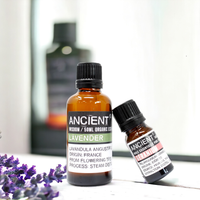
Lavender
Latin Name : Lavandula Angustifolia
Part of Plant Used : Flowering Tips
Origin: France
Extraction Method : Steam Distillation
Lavender has been used and cherished for centuries for its unmistakable aroma and myriad benefits. In ancient times, the Egyptians and Romans used Lavender for bathing, relaxation, cooking, and as a perfume. Its calming and relaxing qualities, when taken internally, continue to be Lavender’s most notable attributes.
Applied topically, Lavender is frequently used to reduce the appearance of skin imperfections. Add to bath water to soak away stress or apply to the temples and the back of the neck. Add a few drops of Lavender to pillows, bedding, or bottoms of feet to relax and prepare for a restful night’s sleep. Due to Lavender’s versatile properties, it is considered the must-have oil to have on hand at all times.
Uses
Add a few drops of Lavender Oil to pillows, bedding, or bottoms of feet at bedtime.
Keep a bottle of Lavender on hand to soothe occasional skin irritations.
Freshen your linen closet, mattress, car, or the air by combining Lavender with water in a spray bottle.
Directions for Use
Diffusion: Use three to four drops in the diffuser of your choice.
Topical use: Apply one to two drops to desired area. Dilute with our wholesale Fractionated Coconut Oil to minimise any skin sensitivity.
Cautions
Possible skin sensitivity. Keep out of reach of children. If you are pregnant, nursing, or under a doctor’s care, consult your physician. Avoid contact with eyes, inner ears, and sensitive areas.
Lemon
Latin Name : Citrus Limon.
Part Of Plant Used : Fruit Peel
Source : Italy.
Extraction Method : Cold Expression.
Lemon Essential Oil has a sharp, fresh smell and is extracted from the fresh lemon fruit peel by cold expression. This oil is refreshing to the mind, and sharpens concentration, so it is often preferred in room fresheners for offices and banks. It is believed to help with rheumatism, arthritis, and gout. It has been used to cure skin troubles like abscesses, boils, carbuncles, and acne. It boosts the immune system and cleanses the body.
When used in an oil burner (a few drops in water), the vapours of lemon oil are used for colds, laryngitis, headache, and flu. Smelling the aroma is helpful for mental hiccups like depression, irritation, stress, lethargy, and fatigue. It lifts the spirits and clears the mind. When a few drops are added to the bath or when blended into a massage oil, it is said to ease digestive problems, lack of energy,
tiredness, infections, obesity, rheumatism, depression, and stress. It is also used to help get rid of hangovers.
The lemon plant is native to India and maybe China, and was brought to Europe by the Crusaders in the Middle Ages. Since the fruit has a good amount of vitamins A, B and C, an ounce a day was given to sailors to prevent scurvy, eye problems, and other vitamin deficiencies. The first real lemon cultivation in Europe began in Genoa in the mid-fifteenth century. It was later introduced to America by Christopher Columbus. Spanish conquests helped spread the lemon seeds farther. Lemon was mainly used as an ornament and as medicine. It was only much later that it began to be used in cooking.
Lemongrass
Latin Name : Cymbopogon Citratus.
Part Of Plant Used : Leaves.
Source : Guatemala.
Extraction Method : Steam Distillation.
This Lemongrass Essential Oil is extracted from Cymbopogon citratus, also known as 'oil grass', from the fresh or partly-dried leaves by steam distillation. This oil is said to fight fatigue, and help refresh a tired body and mind. It is also a pleasant-smelling way of keeping a pet free of fleas and ticks. Lemongrass contains citral which provides the main flavour in lemon peel.
Lemongrass oil is believed to relieve jet lag, headaches, nervous exhaustion, and stress. It boosts the parasympathetic nervous system, for faster recovery from an illness, and stimulates glandular secretions. It helps tone muscles and tissue, hence relieving muscle pain. It's useful for treating sore throat, laryngitis, and fever, and helps stop the spreading of infection. It helps with colitis, indigestion, and gastroenteritis. It clears oily skin and reduces excessive perspiration. It can irritate the skin, however, so care must be taken when used on skin. Avoid use during pregnancy.
Lemongrass is a perennial aromatic grass that used to grow wild in India, where it is known as choomana poolu. It is also known as Indian Verbena or Indian Melissa oil and is used in Ayurveda, the ancient traditional art of healing, to help bring down fevers and treat infectious illnesses; it is therefore also called 'fevergrass'.
Orange
Latin Name : Citrus Sinensis
Part Of Plant Used : Fruit Peel
Source : Brasil
Extraction Method : Cold Expression
Orange Essential Oil’s ability to naturally enhance immunity and reduce several symptoms of numerous ailments have lent it to traditional medicinal applications for the treatment of acne, chronic stress, and other health concerns.
Used in aromatherapy, Orange Essential Oil’s pleasant scent has a cheerful and uplifting yet simultaneously relaxing, calming effect that helps reduce pulse rate. It can not only create a warm environment but can also stimulate the strength and resilience of the immune system and eliminate airborne bacteria.
Applied in a massage, Orange Essential Oil is known to increase blood flow. This is known to relieve discomforts associated with inflammation, headaches, menstruation, and low libido.
Orange Essential Oil reduces the incidents of painful and reflexive muscle contractions. It is traditionally used in massages to relieve stress, abdominal pain, diarrhoea, constipation, indigestion or improper digestion, and congestion of the nose.
Patchouli
Latin Name : Pogostemon Cablin.
Part of Plant Used : Dried Leaves.
Source : Indonesia.
Extraction Method : Steam Distillation.
Patchouli Oil is extracted from the Pogostemon cablin plant of the mint family and has a rich musky-sweet, spicy smell. The plant is native to Malaysia and India, where it is known as 'puchaput'. The word patchouli is derived from Tamil 'pachchai ilai' meaning, simply, 'green leaf.' Patchouli oil is extracted from the young leaves, which are dried and fermented before steam distillation. This oil improves its fragrance and power with age. It is much valued in skin care, especially in scar healing.
In eastern countries, patchouli oil is used in potpourris and sachets between linen and clothes for the fragrance as well as to keep bedbugs and insects away. The oil is said to have a balancing effect on the emotions and create an amorous atmosphere. When used in an oil burner, it eases anxiety and depression. Used in bath water, it is believed to help skin and scalp complaints, fungal infections, fluid retention, break down cellulite and ease constipation. It has excellent tissue regenerating properties, speeds up healing and fights infections. Thus, it helps acne, eczema, weeping sores, ulcers, and athlete's foot.
It seems that patchouli was placed between Indian cashmere shawls before being sent to Victorian England, to protect the merchandise from moths. Without this signature smell of dried patchouli leaves, the shawls could not be sold in England. In Europe and America, patchouli oil and incense was immensely popular in the 1960s and 70s among the hippies, since the smell of patchouli covered body odour and the smell of burnt cannabis. Patchouli was used as a hair conditioner for dreadlocks. In many Asian countries, patchouli is also used as an antidote to snakebite.
Peppermint
Latin Name : Mentha Piperita.
Part Of Plant Used : Flowering Herb.
Source : India.
Extraction Method : Steam Distillation.
Peppermint Essential Oil is said to be good for ailments like asthma, colic, fever, flatulence, headache, nausea, chest congestion and vertigo. This oil is supposed to be excellent for mental fatigue and depression, refreshing and stimulating with its menthol content. It is good for the ski and is used in lotions to treat sunburn, itchiness or inflamed skin. It helps fight bad breath and gum infections when used in mouthwashes. When used in an oil burner it is not only therapeutic it also keeps away mosquitoes and other insects.
Peppermint is native to the Mediterranean but is now grown in other countries in Europe, America, and Asia. Discoveries prove that peppermint has been used since ancient times in Egypt, Greece, Rome, China and Japan. According to Greek myth, a nymph called Mentha was turned, in a fit of anger, into a mint plant by her lover's wife Persephone. According to Pliny, peppermint was used to crown the Greeks and Romans during feasts. It has been used medicinally in England for the last few centuries.
Petitgrain
Latin Name : Citrus Aurantium var. Amara
Part of Plant Used : Leaves & Twigs
Source : Paraguay
Extraction Method : Steam Distillation
Petitgrain Essential Oil is derived from the bitter orange tree, which has a long history of use in traditional health practices. Historically, Petitgrain essential oil has been used for cleaning purposes. Petitgrain is widely used in the perfume industry, giving body sprays, fragrances, lotions, and colognes a fresh, herbaceous note that is popular among both women and men.
Petitgrain Oil possesses an aroma that is sweet, yet tart with subtle floral and woody characteristics. It blends especially well with citrus, floral and wood oils. Petitgrain will boost feelings of joy and bravery when facing a challenge and help promote hope and calm.
Rose Geranium
Latin Name : Pelargonium Graveolens & P/Rosa Egypt
Essential Oil Blend
Rose Geranium Essential Oil is an active ingredient in some cosmetic products, like lotions and fragrances. A 2017 review of studies demonstrated that antioxidant properties in rose geranium oil may help reduce the signs of ageing. Antioxidants are well-established as natural agents for improving your skin’s ability to heal itself from environmental toxins and exposure.
Rose geranium oil has strong antimicrobial, anti-fungal, and antiviral properties.
Rosemary
Latin Name : Rosmarinus Officinalis.
Part of Plant Used : Flowering Tops.
Source : Tunisia.
Extraction Method : Steam Distillation.
The Essential Oil of the Rosemary Herb is steam distilled from the flowers, stems and leaves of the plant. According to the the British Pharmacopoeia, the oil distilled from the flowering tops is superior to that obtained from the stem and leaves, which is where nearly all commercial oil are said to be distilled. The smell of rosemary essential oil is woody and herbal and is used in aromatherapy to refresh and stimulate the mind.
This oil is helpful to treat wounds, burns, colds, flu, fatigue, digestive trouble, headaches, asthma, bronchitis, gout, rheumatism, liver and gall bladder problems, water retention and poor circulation. For a massage, rosemary oil is often mixed with a base oil or two like almond, apricot kernel or hazelnut oil. It is good for the hair as it is said to increase circulation to the scalp and promote hair growth. Never use this oil internally, and avoid it if you're pregnant or suffer from high blood pressure or epilepsy.
Rosemary was well known and used in the ancient world. It was believed to improve memory, so it became a symbol of fidelity and was used in weddings, funerals and other religious ceremonies. A sprig of rosemary was tied beautifully with ribbons and handed to wedding guests as a symbol of love and loyalty. 'Hungary water,' made of fresh rosemary tops soaked in wine for a few days was made for the Queen of Hungary and is said to have cured her of paralysis.
Tea Tree
Latin Name : Melaleuca Alternifolia.
Part of Plant Used : Leaves & Twigs
Source : Australia.
Extraction Method : Steam Distillation.
In early times, it seems the leaves of this tree were infused to make tea, which is how the name came into being. Tea Tree Essential Oil is the concentrated liquid compounds steam distilled from the leaves of the tree Melaleuca alternifolia, which is native to the northeast coast of New South Wales, Australia. The oil is claimed to have valuable antiseptic and anti-fungal properties due to constituents called terpenoids, and is used in many personal care products and medicines today.
Tea tree oil is said to be good for relieving congestion, cold, cough and flu. It has been used to heal acne, fungal infections, dandruff, vaginal infections, haemorrhoids, athlete's foot, and is believed to soothe aching muscles and joint injuries. When added to bath water it helps control bacteria. Tea tree oil is not to be taken internally. It is usually used only on adults and must be kept away from children and pets. Don't use it if you're pregnant or lactating.
The tea tree has been known for its medicinal properties since ancient times in eastern Australia. The Australian aborigines are known to have been using the crushed leaves to heal cuts, burns, sores, and infections for hundreds of years. They inhaled the oils from the crushed leaves to relieve coughs and colds. They sprinkled this oil on wounds and applied a poultice on it. They infused the leaves and made tea to soothe sore throats. It was between 1920 and 1930 that the essential oil of this tree began to be known and used for its antimicrobial properties in Europe.
Ylang Ylang
Latin Name : Cananga Odorata.
Part of Plant Used : Flowers.
Source : Camores.
Extraction Method : Steam Distillation.
Ylang Ylang is a large tree native to the far eastern countries like Malaysia, Philippines, and Indonesia. Its yellow flowers are strongly fragrant and have long trailing petals. The essential oil made from it is available in abundance and is therefore the least expensive but is highly favoured for its fragrance in the perfume and cosmetics industries, and is also being used in the food industry today.
According to science, Ylang-Ylang Essential Oil is a mental stimulant. In contrast, the world of aromatherapy considers this oil one of the best at relaxing the mind and the body. Simply smelling it is supposed to help lower blood pressure.
Taking a bath with the oil or using it in a massage oil naturally enhances the relaxation experience. It is used to relieve stress, depression, shock, or anxiety. When used as a hair tonic, it is supposed to balance oil production. Be warned, though, that high concentrations of ylang ylang can cause headaches or nausea.
Ylang Ylang means the flower of flowers in Malay, and was traditionally thought of as an aphrodisiac and a relaxing fragrance, so the flowers of this tree were strewn on the marriage bed of a newly married couple in Indonesia. Muslim women used to burn this oil to scent their harems, the part of the palace reserved for women. In China, the fragrance was used to purify the robes of the mandarin. Ylang Ylang essential oil has been associated with perfumes and relaxation for a long time.